Low Vision Rehabilitation in Bangladesh

Restoring independence and visual comfort through advanced low vision aids and tailored rehabilitation.

What is Low Vision?

Low vision refers to reduced eyesight that cannot be fully corrected with regular glasses, contact lenses, medication, or surgery. It doesn’t mean total blindness most people with low vision retain some usable sight, but everyday tasks like reading, cooking, or recognizing a familiar face become difficult. Low vision rehabilitation is a structured process that helps a person make the best possible use of the vision they still have, focusing on practical strategies, aids, and training rather than reversing the underlying eye condition.
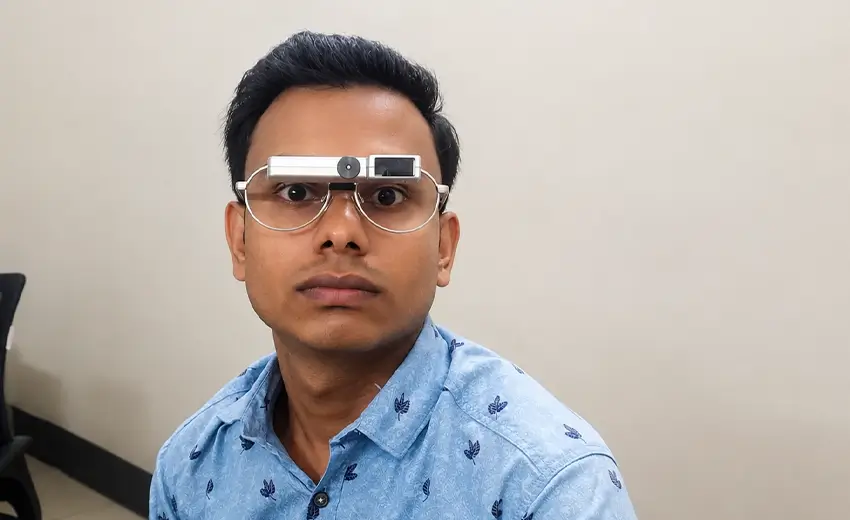
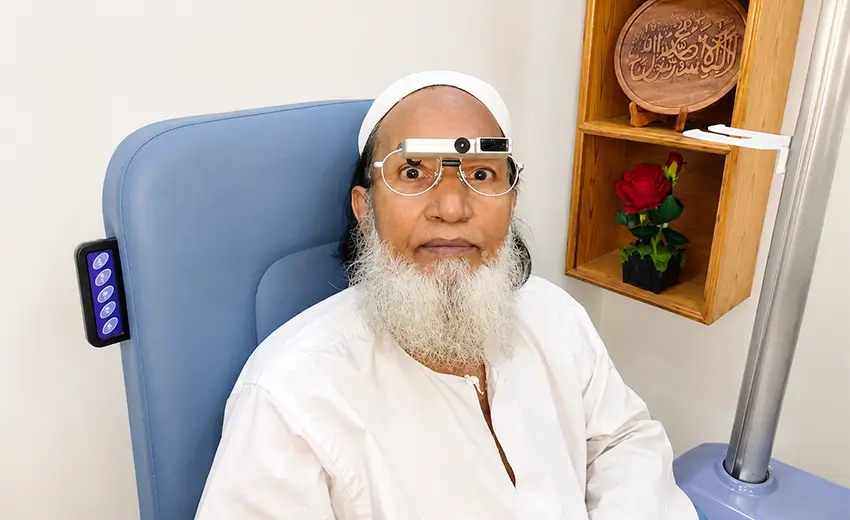
Low Vision Rehabilitation
Low Vision

Who May Benefit?

Low vision rehabilitation may help people who continue to struggle with reading small print, recognizing faces from a distance, moving safely around unfamiliar places, watching television, or managing schoolwork and office tasks even after wearing the correct glasses or completing recommended treatment. This kind of difficulty can occur with conditions like macular degeneration, glaucoma, diabetic retinopathy, other retinal disorders, or optic nerve problems. Not everyone diagnosed with these conditions needs rehabilitation; a proper assessment helps determine whether it’s appropriate for a given patient.

What Happens During an Assessment?

A low vision assessment typically begins with a detailed review of the patient’s current vision, medical history, and daily challenges. This includes refraction to check remaining correctable vision, evaluation of near (reading) and distance vision, and an understanding of the patient’s goals whether that’s reading a newspaper, using a mobile phone, or navigating outdoors independently. Lighting conditions, glare sensitivity, and contrast needs are also considered, since these often affect functional vision as much as visual acuity itself. Based on these findings, suitable low vision aids may be recommended, along with guidance on using them effectively in daily life.

Low Vision Aids and Support

Depending on individual needs, support may include optical magnifiers, telescopic devices for distance tasks, electronic or digital magnification tools, improved lighting setups, contrast-enhancing strategies, large-print materials, or other adaptive approaches. Not every patient requires all of these recommendations are tailored after assessment.

What Outcomes Can Be Expected?

Low vision rehabilitation cannot restore lost eyesight or reverse existing eye disease. What it can do is help improve functional vision supporting easier reading, better recognition of objects and faces, greater confidence in daily movement, and more independence in routine activities, work, or study.

When Should Someone Seek Help?

A low vision assessment is worth considering when vision difficulties continue to interfere with reading, work, or daily activities despite wearing the correct glasses or completing appropriate medical treatment. Waiting isn’t necessary earlier assessment often allows more time to adapt to helpful strategies and aids.

Getting Started

If you or a family member in Dhaka or elsewhere in Bangladesh is finding it harder to manage daily tasks because of vision changes, a low vision assessment with a qualified optometrist can help clarify what support may be available. Book a consultation to discuss your situation and find out whether low vision rehabilitation is a suitable next step.

Contact Me

Don't Be Hesitate To Contact

Mohammad Abdul Auwal Rasel

Vision Therapy & Artificial Eye Bangladesh

01819-423250 (Call)
+8801712072765 (WhatsApp)

Copyright 2026 Rasel All Rights Reserved. Developed by TalkStory